

FASHION 101
ready to wear
"Ready-to-wear" (often abbreviated as RTW) refers to clothing that is mass-produced and available for purchase off the rack in standard sizes, as opposed to custom-made or haute couture garments. Ready-to-wear clothing is designed to be worn without any further tailoring or alterations, making it accessible and convenient for consumers. It is a key category in the fashion industry, offering a wide range of styles, designs, and price points to suit various preferences and budgets. Ready-to-wear collections are typically released seasonally by fashion brands and designers, and they can be found in retail stores, online shops, and department stores worldwide.

couture
"Couture" refers to high-end, custom-made clothing created by fashion designers or fashion houses. The term "couture" is derived from the French word for "sewing" or "dressmaking." Couture garments are made using the highest quality materials and craftsmanship, often featuring intricate hand-sewn details, luxurious fabrics, and impeccable tailoring. Each couture piece is typically created to the exact measurements of the client, resulting in a perfect fit and personalized design. Couture fashion is known for its exclusivity, luxury, and attention to detail, and couture collections are usually presented in elaborate fashion shows or private appointments. Due to the time-consuming and labor-intensive nature of couture production, these garments are typically priced at the highest end of the fashion market and are coveted by collectors, celebrities, and fashion connoisseurs.
ready to rewear
"Ready-to-Rewear" refers to the act of wearing an item of clothing again, typically after it has been worn before. In the context of sustainability and fashion, "rewear" often implies the practice of wearing clothing multiple times instead of only wearing it once before discarding it. This concept aligns with efforts to reduce waste and promote sustainable consumption by maximizing the lifespan of clothing items. Additionally, in the context of reselling or thrifting, "rewear" can refer to purchasing second-hand clothing items and wearing them again.
FASHION WEEK
Fashion Week is a semi-annual event held in various major fashion capitals around the world, including New York, London, Milan, and Paris. It is a series of runway shows and presentations where fashion designers and brands showcase their latest collections to buyers, media, celebrities, and fashion enthusiasts. Fashion Week typically takes place over the course of several days, during which designers unveil their creations for the upcoming season.
Each Fashion Week event is organized by a governing body or organization, such as the Council of Fashion Designers of America (CFDA) in New York or the British Fashion Council (BFC) in London. These organizations coordinate the schedule, venues, and logistics of the event, ensuring that designers have the opportunity to present their collections to the widest audience possible.
-

Showcasing New Collections
Fashion designers use Fashion Week as a platform to debut their latest designs and collections for the upcoming season. These runway shows and presentations provide an opportunity for designers to display their creativity, craftsmanship, and vision to industry insiders and the public.
-

Setting Trends
Fashion Week often sets the tone for upcoming trends in clothing, accessories, hair, makeup, and overall style. Fashion editors, buyers, and influencers closely observe the collections presented during Fashion Week to identify emerging trends and forecast future directions in fashion.
-
Networking & Collaboration
Fashion Week brings together designers, buyers, retailers, journalists, celebrities, and other industry professionals from around the world. It provides a valuable networking opportunity for individuals and brands to connect, collaborate, and forge partnerships within the fashion industry.
-
Media Coverage
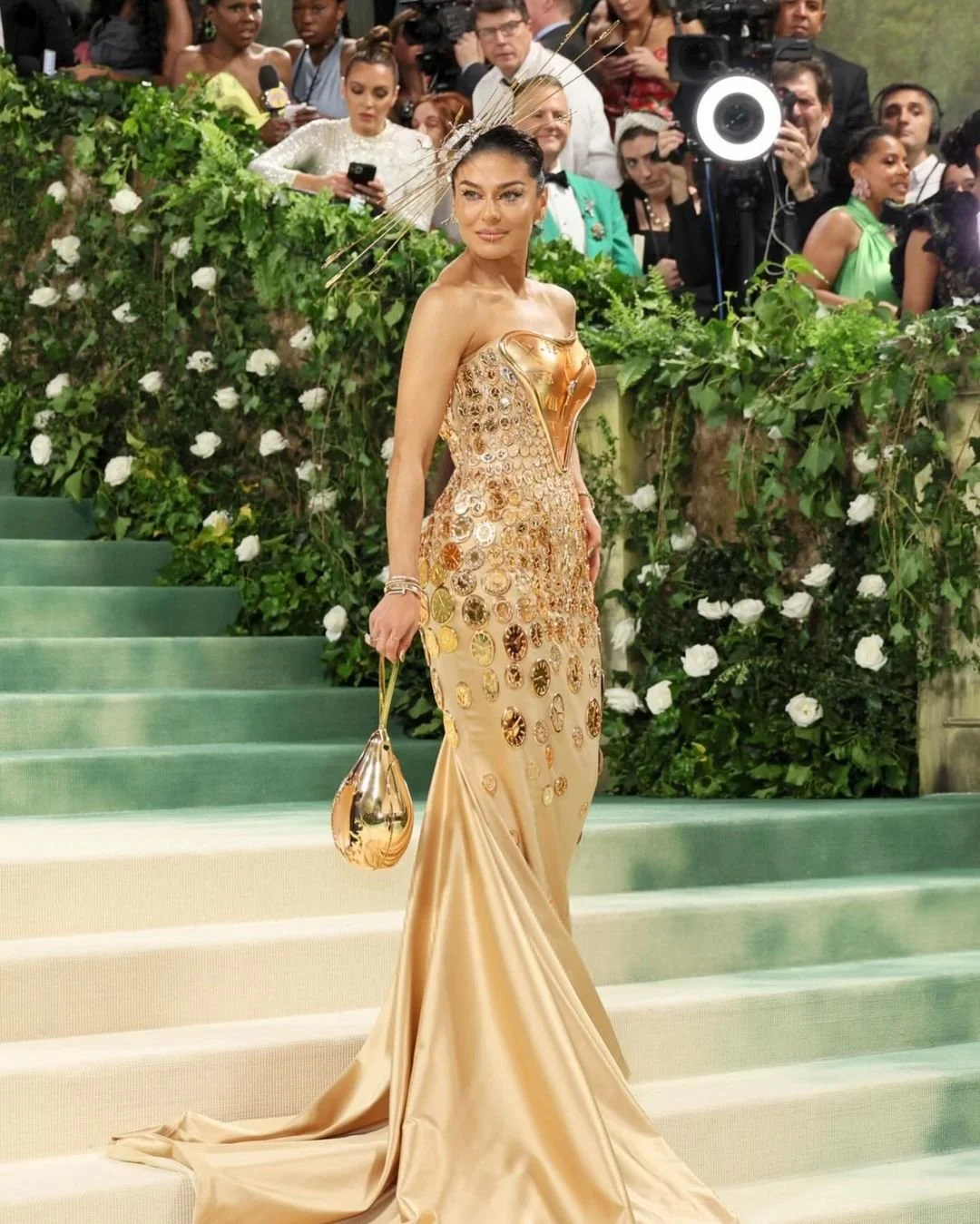
Fashion Week generates significant media coverage and publicity, both through traditional outlets such as newspapers and magazines and through digital platforms such as social media and fashion blogs. This media exposure helps to elevate the profiles of participating designers and brands, increasing their visibility and influence within the industry.